
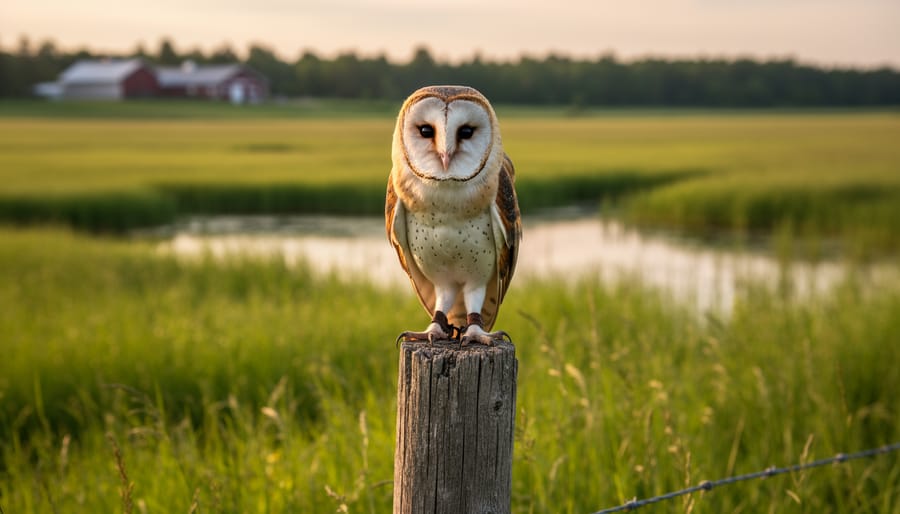

Inheriting land in Canada brings both opportunity and responsibility—especially when your property holds wildlife habitat that could vanish under development. Unlike typical real estate transactions handled by services like propertysaviour.co.uk, selling or donating inherited land for conservation creates a permanent legacy while potentially offering significant tax advantages.
Consider partnering with organizations like the Nature Conservancy of Canada, Ducks Unlimited Canada, or provincial land trusts that actively seek properties with critical habitat for species at risk. These groups facilitate conservation sales where you receive fair market value while ensuring your land protects breeding grounds for boreal caribou, nesting sites for endangered grassland birds, or migration corridors for wildlife.
Evaluate conservation easements as an alternative to outright sale—you retain ownership while legally restricting development, receiving charitable tax receipts that can offset capital gains. This option proved transformative for the Johnsons, who protected 300 acres of Saskatchewan wetlands while maintaining their family connection to the land.
Document your property’s ecological features through professional habitat assessments before approaching conservation buyers. Properties containing old-growth forest, intact wetlands, or confirmed presence of species at risk command stronger conservation interest and valuations.
Your inherited land represents more than financial assets—it holds irreplaceable ecosystems that support Canada’s biodiversity. The following guide reveals how to navigate conservation sales, maximize tax benefits, and join Canadians who transformed inheritance into lasting environmental protection.
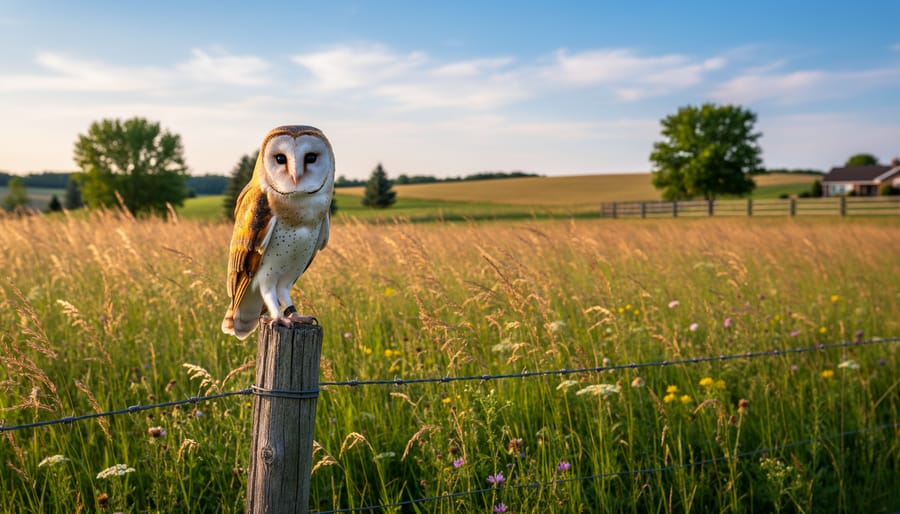
Why Inherited Land Matters for Canada’s Wildlife Crisis
The Habitat Gap: What Protected Areas Can’t Do Alone
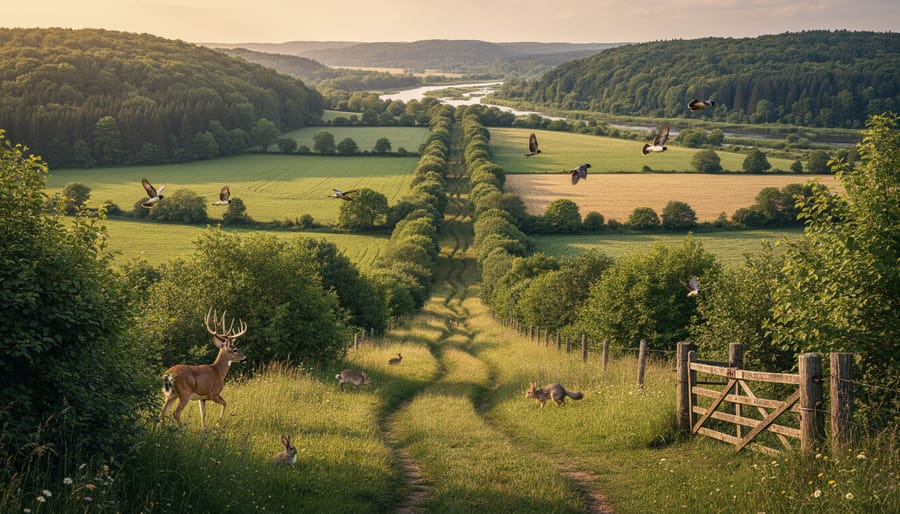
Canada’s impressive network of national and provincial parks protects vast wilderness areas, but these government-managed spaces tell only part of the conservation story. Protected areas often exist as islands in a fragmented landscape, and wildlife doesn’t recognize park boundaries. When a caribou herd migrates between seasonal ranges or a fisher searches for territory, they need continuous habitat corridors that frequently cross private lands.
This is where inherited properties become conservation heroes. That rural acreage your family owned might serve as a vital link between protected zones, allowing species to move, breed, and adapt to climate shifts. Research shows that private lands in southern Canada are especially critical, as they often contain wetlands, grasslands, and forests that support species rarely found within park boundaries.
The Nature Conservancy of Canada has demonstrated this beautifully through strategic land acquisitions that connect fragmented habitats. When landowners sell or donate inherited property for conservation, they’re not just preserving one parcel—they’re strengthening an entire ecological network. Your family’s land could be the missing piece that allows threatened species like the Blanding’s turtle or grassland birds to thrive, creating living corridors that government protection alone cannot achieve.
Success Story: The Morrison Family’s Legacy
When Patricia Morrison inherited her family’s 85-acre farmland near Caledon, Ontario, she faced a difficult choice. Her grandparents had worked the land for decades, but maintaining it felt overwhelming. Rather than selling to developers, Patricia chose to honor her family’s deep connection to the land by donating it to a regional land trust.
Today, that property has been transformed into a thriving haven for native pollinators and grassland birds. Within three years, volunteers documented the return of bobolinks and eastern meadowlarks, species that had vanished from the area. Wildflower meadows now bloom where crops once grew, supporting over forty species of native bees and butterflies.
Patricia visits regularly, bringing her grandchildren to explore the trails and observe wildlife. She received a charitable tax receipt that offset her inheritance taxes, but the real reward came unexpectedly. Last spring, during a guided walk, she discovered monarch butterflies clustering on milkweed plants, preparing for their journey to Mexico. In that moment, she knew her family’s legacy would endure far beyond any monetary value, protecting Canadian wildlife for generations to come.
What It Means to Sell or Donate Inherited Property for Conservation
Understanding Your Options: Sale vs. Donation vs. Conservation Easements
When you inherit land with conservation potential, you have three meaningful pathways forward, each offering distinct advantages depending on your circumstances and goals.
Selling your land to a conservation organization provides immediate financial return while ensuring permanent protection. Organizations like The Nature Conservancy of Canada purchase properties at fair market value, transforming them into protected habitats. This option suits landowners who need capital but want their property’s ecological legacy preserved. The sale process typically involves property assessment, habitat evaluation, and negotiation, with transactions often completed within several months.
Donation represents the most direct conservation approach. By donating land or a portion of it, you receive a charitable tax receipt for the property’s appraised value, potentially offsetting capital gains and providing substantial tax benefits. This pathway appeals to landowners passionate about conservation who can afford to forgo immediate cash payment. Many Canadian families have found donation provides greater financial advantage than sale when considering tax implications.
Conservation easements offer a middle ground, allowing you to retain ownership while legally restricting development. You grant a conservation organization the right to protect specific ecological features forever. This option works beautifully for landowners wanting to maintain family ties to the property while ensuring its conservation values endure. Financial benefits include charitable tax receipts and potential property tax reductions, while you continue enjoying the land responsibly.
Each pathway creates lasting impact, protecting critical habitats for species like woodland caribou, migratory songbirds, and countless other Canadian wildlife that depend on undisturbed landscapes for survival.
What Happens to the Land After Transfer
When you transfer your inherited land to a conservation organization, you’re entrusting it to dedicated professionals who will protect its ecological value for generations to come. These organizations implement comprehensive land management plans tailored to each property’s unique characteristics and conservation priorities.
Once the transfer is complete, conservation teams conduct baseline assessments to document existing wildlife populations and habitat conditions. They then undertake restoration activities such as removing invasive species, replanting native vegetation, and rehabilitating wetlands or stream corridors. In Ontario’s Carolinian forests, for example, organizations have successfully restored critical habitat for species at risk, bringing back populations of wild turkey and eastern bluebirds through careful stewardship.
Ongoing monitoring ensures the land continues to thrive. Field biologists regularly survey wildlife populations, track vegetation changes, and assess ecosystem health. Many organizations also incorporate traditional Indigenous ecological knowledge into their management practices, working collaboratively with First Nations communities.
Most conservation lands remain accessible to the public for low-impact activities like hiking, birdwatching, and photography, creating opportunities for Canadians to connect with nature. Trail systems are maintained, and educational programs help visitors understand the land’s ecological significance. Your decision creates a living legacy where both wildlife and people can flourish.
Financial and Tax Benefits You Should Know About
Tax Credits and Capital Gains Exemptions
Canada’s Ecological Gifts Program stands as one of North America’s most generous conservation incentives, transforming the financial landscape for landowners considering wildlife protection. When you donate or sell inherited land for conservation purposes, this federal initiative can eliminate capital gains tax entirely on the property’s appreciated value—a benefit that can save your family hundreds of thousands of dollars.
Here’s how it works in practice: The Fournier family in Quebec inherited 200 acres of wetland habitat. Rather than facing a substantial capital gains tax bill on land that had appreciated significantly since their grandparents’ purchase, they worked with a qualified conservation organization. Through the Ecological Gifts Program, they received a tax receipt for the land’s full fair market value and paid zero capital gains tax. The receipt could be applied against their income for the year of donation, plus carried forward for up to ten years.
Beyond federal benefits, several provinces offer additional tax credits for ecological donations. British Columbia, Ontario, and Nova Scotia provide enhanced provincial credits that further reduce your tax burden. These combined incentives often mean that protecting wildlife habitat becomes more financially advantageous than selling to developers—while creating a lasting legacy for Canada’s remarkable biodiversity.
When Selling Makes More Sense Than Donating
Not every landowner can afford to donate inherited property, and that’s perfectly acceptable. Financial responsibilities—settling estate debts, supporting family, or planning retirement—are legitimate priorities. Conservation organizations understand this reality and often purchase land at fair market value specifically to protect critical habitats.
Selling to a conservation trust or land conservancy still creates lasting environmental impact. Your land becomes protected habitat for species like woodland caribou, boreal owls, and native pollinators. The proceeds support your financial needs while ensuring the property never faces subdivision or development.
Many Canadian conservation organizations maintain acquisition funds specifically for purchasing ecologically significant properties. When you sell to them rather than developers, you’re choosing legacy over maximum profit—but you’re not choosing poverty over preservation. This middle path honors both practical needs and conservation values.
Consider the Ontario family who sold their lakefront property to a wildlife trust at appraisal value. They settled their mother’s estate obligations while protecting nesting sites for common loons and creating public access for nature education. Fair compensation met with meaningful purpose.
Is Your Inherited Property Right for Wildlife Conservation?
Properties That Make the Biggest Impact
Not all inherited land holds equal value for conservation, but properties that might seem unremarkable can become crucial wildlife refuges. Wetlands top the list—these water-rich areas support countless species from migrating waterfowl to amphibian and reptile habitats. Native grasslands, increasingly rare across the prairies, provide essential homes for species like the burrowing owl and swift fox. Mature forests, particularly old-growth stands, shelter everything from woodland caribou to countless songbird species.
Coastal properties along both oceans and the Great Lakes offer critical breeding and feeding grounds for shorebirds and marine life. Perhaps most valuable are connecting corridors—strips of natural habitat that link larger protected areas, allowing wildlife to migrate safely.
Don’t overlook less obvious candidates. Old farmland reverting to natural vegetation, abandoned orchards, or overgrown pastures can be restored to thriving ecosystems. A former cattle ranch in Saskatchewan recently became vital grassland habitat after conservation partners restored native prairie grasses. Even small properties in the right location can fill crucial gaps in conservation networks, creating pathways for species survival across Canada’s diverse landscapes.
Getting a Conservation Assessment
Requesting a conservation assessment is simpler than most landowners imagine. The process begins with reaching out to a land trust or conservation organization operating in your province. Organizations like the Nature Conservancy of Canada conduct these evaluations free of charge, recognizing that you’re exploring options that benefit wildlife.
During the assessment, a conservation biologist visits your property to document its ecological features. They’ll identify habitat types, look for species at risk like woodland caribou or Canada warblers, and note important natural corridors. One landowner in Ontario discovered her inherited acreage contained critical wetlands supporting endangered Blanding’s turtles, transforming what she thought was “just scrubland” into recognized conservation priority land.
The biologist prepares a detailed report outlining the property’s conservation value, potential restoration opportunities, and whether it aligns with regional conservation priorities. This assessment creates no obligation to sell or donate, but provides invaluable information about your land’s ecological significance. Many landowners find this knowledge deeply moving, learning their inheritance harbors irreplaceable natural treasures worth protecting for future generations.
How to Start the Conservation Sale Process
Finding the Right Conservation Partner
Choosing the right conservation partner transforms your land legacy into lasting protection for Canada’s wildlife. Start by researching regional land trusts and conservation organizations that actively protect habitats in your area. Organizations like the Nature Conservancy of Canada, Ducks Unlimited Canada, and provincial land trusts bring decades of proven expertise in managing protected areas.
Look for partners whose conservation priorities align with your vision. Does your property provide critical habitat for species at risk, like woodland caribou or Blanding’s turtles? Seek organizations with track records in protecting these specific ecosystems. Request references from previous landowners and ask about their long-term stewardship plans.
Transparency matters. Reputable organizations will clearly explain tax benefits, provide professional land appraisals, and outline exactly how they’ll manage your property after transfer. Many offer flexible arrangements, from outright donations to conservation easements that allow partial sale proceeds while protecting ecological values.
Connect with multiple organizations before deciding. Their passion for conservation should match your own, creating a partnership that honors both your family’s heritage and Canada’s wild places for generations to come.
What to Expect: Timeline and Key Steps
The journey from inherited land to protected wildlife habitat typically unfolds over several months, though each situation is unique. Your first step involves reaching out to conservation organizations—expect an initial conversation within days where you’ll share basic property details and your conservation vision. Within two to four weeks, conservation specialists will conduct a preliminary assessment, evaluating habitat quality, species presence, and conservation priority. This exciting phase often reveals surprising ecological treasures on your land.
If there’s mutual interest, the negotiation phase begins, typically lasting four to eight weeks. You’ll discuss whether you prefer an outright sale, donation, or conservation easement. Legal professionals then prepare agreements and conduct title searches—a process requiring six to twelve weeks. Environmental assessments may occur simultaneously, documenting everything from nesting sites to migration corridors.
The final transfer usually happens three to six months from your initial contact, though complex properties may take longer. Throughout this journey, you’re not alone. Conservation organizations guide you through paperwork, tax implications, and celebration of your contribution. Many landowners describe this timeline as surprisingly smooth, finding comfort in knowing their property will shelter Canadian wildlife for generations to come.
Important Questions to Ask Before Committing
Before finalizing your decision, engage conservation organizations with these essential questions: How will the land be managed long-term, and what specific conservation goals guide this stewardship? Will public access be permitted, and under what conditions? Can you receive naming recognition or establish a memorial dedication? What opportunities exist for ongoing involvement, such as volunteering at habitat restoration events or participating in wildlife monitoring programs? Ask about tax receipt timelines and whether phased donations are possible. Request examples of similar conservation successes they’ve achieved, particularly stories showcasing native species recovery like woodland caribou or Blandings turtles. Understanding their monitoring practices, partnership with Indigenous communities, and transparency in reporting ensures your land legacy aligns with your conservation values while creating meaningful, lasting impact for Canadian wildlife.
Real Stories: Canadians Who Chose Conservation
When Margaret Robertson inherited 80 acres of boreal forest near Thunder Bay, Ontario, she faced a difficult decision. The property had been in her family for three generations, but at 72, she couldn’t manage the land herself. Rather than selling to developers, she donated it to a regional land trust specializing in wildlife corridors. “My grandfather used to take me there to see moose and black bears,” Margaret recalls. “Knowing that future generations can experience that same wonder brings me more peace than any amount of money could.” The property now serves as protected habitat for several species and connects two larger conservation areas, directly supporting mammal conservation efforts in the region.
The Chen family’s story unfolded differently in British Columbia’s Fraser Valley. They inherited 45 acres of wetland that generated minimal farm income but required constant upkeep. After consulting with conservation organizations, they sold the property at fair market value to a wildlife trust. The financial gain helped them invest in their children’s education while ensuring the wetlands continue providing crucial habitat for migrating waterfowl and salmon-bearing streams. “We didn’t realize how valuable our land was ecologically,” says David Chen. “This way, we honored our parents’ legacy while securing our family’s future.”
In Saskatchewan, rancher Tom Kowalski chose a conservation easement for his inherited grasslands, maintaining ownership while permanently protecting 200 acres of native prairie. The tax benefits offset his operational costs, and he continues grazing cattle sustainably. “The land supports everything from pronghorn antelope to burrowing owls,” he explains. “Conservation doesn’t mean locking everything away—it means managing it responsibly for wildlife and future generations.”
The decision to sell or donate inherited land for wildlife conservation creates something far more enduring than any monument of stone or steel. It transforms property into a living legacy, a testament to values that echo across generations. Every woodland preserved becomes habitat where great horned owls nest, every wetland protected offers sanctuary to migrating waterfowl, and every meadow conserved provides vital pollinator corridors. This is how we honor those who came before us while gifting something irreplaceable to those who follow.
Canadians have a unique opportunity to participate in one of the world’s most successful conservation movements. From the recovery of peregrine falcons to the protection of critical caribou habitat, our country’s conservation achievements demonstrate what becomes possible when private landowners choose preservation over development. Your inherited property, regardless of size, contributes to this larger tapestry of protected spaces that wildlife desperately needs.
The process doesn’t require immediate decisions or complex commitments. Organizations like Wild Canada Preservation specialize in guiding landowners through every step, from initial property assessments to final transactions, ensuring tax benefits are maximized and your conservation goals are met. These conversations come without obligation, pressure, or cost.
If you’ve inherited land and feel drawn to conservation, reach out today for a confidential discussion about your property’s potential. Together, we can explore how your family’s land might become a sanctuary where both wildlife and your legacy thrive for generations to come. The conversation begins simply by making contact and sharing your story.