
Canadian Species Conservation

Mammal Habitat: The Foundation of Wildlife Preservation in Canada

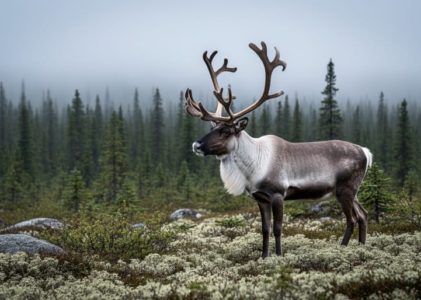
Mammal habitat is the complete physical environment where a species lives, feeds, breeds, and finds shelter, encompassing everything from the soil composition and vegetation structure to water sources and the presence of other species that form the ecological web. In Canada, these habitats range from coastal rainforests sheltering black bears and Roosevelt elk to Arctic tundra sustaining polar bears and caribou, and each component plays a vital role in species survival. Understanding what makes habitat functional matters because protecting land alone isn’t enough. A woodland caribou needs mature boreal forest with specific lichen …

How Wildlife Preservation Canada Is Bringing Our Rarest Mammals Back from the Brink

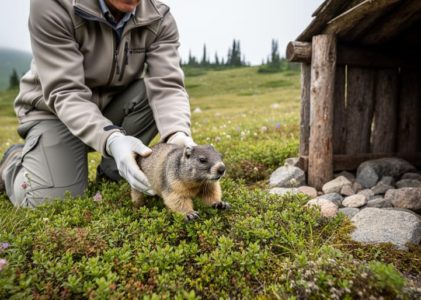
Wildlife Preservation Canada has spent more than four decades rescuing Canada’s most critically endangered species from the brink of extinction, pioneering hands-on recovery programs that have brought back populations once numbered in the dozens. From the windswept grasslands of Alberta to the Carolinian forests of southern Ontario, this national charity tackles the toughest conservation challenges by breeding threatened animals in captivity, restoring degraded habitats, and reintroducing species where they’ve vanished entirely.
The organization doesn’t just study endangered wildlife. It saves them. When government…

Rusty Patched Bumble Bee vs. Other Bumblebees: Understanding Canada’s Most Endangered Pollinator

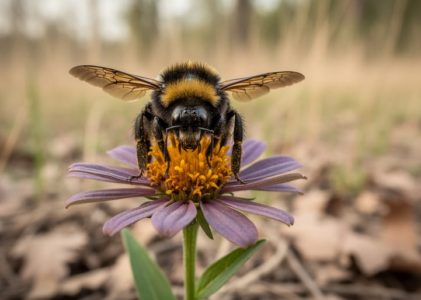
The rusty patched bumble bee is not a separate category from bumblebees; it’s one of 46 bumblebee species native to North America, distinguished by a rust-colored patch on the second segment of its abdomen and its critically endangered status as the first bee species in the continental United States to receive federal protection. For anyone who has spotted a bumblebee in their garden or heard about the rusty patched’s 2017 endangered listing, understanding this distinction matters because conservation efforts depend on accurate identification, and the rusty patched’s 87% population decline since the late 1990s demands …