
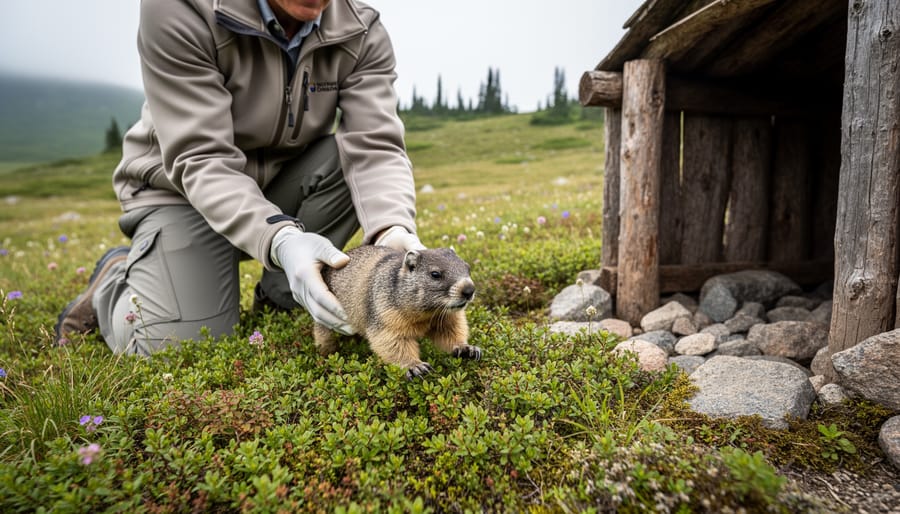

Canada’s mammal preservation effort is powered by a dedicated network of conservation organizations working on the ground to save species from extinction through breeding programs, habitat restoration, and scientific reintroduction. From the alpine meadows where Vancouver Island marmots are making a comeback to the prairie grasslands where swift foxes now roam again, these groups turn research into action, managing hands-on recovery programs that have pulled multiple species back from the brink.
Wildlife Preservation Canada stands at the forefront of this mission, providing direct care to save animal species at risk across a nation that’s home to nearly 200 mammal species. Their work includes breeding programs for the critically endangered Vancouver Island marmot, swift fox reintroduction across the prairies, microbat conservation efforts, and Ord’s kangaroo rat translocations. For decades, this organization has demonstrated that targeted, species-specific intervention works.
The scope extends beyond individual species recovery. Wildlife Habitat Canada has supported 1,600 conservation projects nationwide, enhancing and protecting 1.43 million acres of wildlife habitat. That’s land where mammals can breed, feed, and migrate safely, creating the foundation for long-term population stability.
Federal support amplifies these efforts substantially. The Government of Canada’s 2025-2026 funding cycle allocated $5.2 million across 31 conservation projects, channeling resources to groups tackling everything from genetic diversity challenges to corridor connectivity for wide-ranging species like woodland caribou and grizzly bears.
Whether you’re looking to volunteer at a breeding facility, donate to specific mammal recovery programs, or simply understand which organizations are making measurable progress, knowing who’s doing the work and how they operate helps you support conservation that actually saves lives. The groups profiled here have track records, transparent goals, and pathways for meaningful public engagement.
The Conservation Landscape: Who’s Working to Save Canadian Mammals
Across Canada, a network of dedicated animal preservation groups works tirelessly to protect mammal species facing extinction. These organizations don’t just study wildlife from a distance, they provide hands-on care that makes the difference between survival and disappearance for our most vulnerable animals.
Wildlife Preservation Canada stands at the forefront of this fight. For decades, they’ve taken direct action to save species at risk, bringing Canada’s rarest mammals back from the edge. Their approach is practical and focused: captive breeding programs for Vancouver Island marmots, swift fox reintroduction initiatives across the prairies, microbat conservation efforts, and strategic translocations of Ord’s kangaroo rats. Each program addresses specific threats facing individual species, combining scientific expertise with boots-on-the-ground care that gives vulnerable populations a fighting chance.
Wildlife Habitat Canada takes a complementary approach, focusing on the landscapes mammals need to thrive. They’ve supported 1,600 wildlife habitat conservation projects across the country, protecting and enhancing 1.43 million acres of critical habitat. This landscape-scale work ensures that even as species recover, they have functioning ecosystems to return to.
The scope of their collective work is staggering when you consider that Canada is home to nearly 200 mammal species, many facing mounting pressures from habitat loss and climate change. Recent federal investment reflects growing recognition of this urgency, the 2025-2026 funding cycle allocated $5.2 million to support 31 conservation projects nationwide. These groups transform that funding into tangible results, species by species, acre by acre.
Active Mammal Preservation Initiatives Across Canada
Breeding and Reintroduction Programs
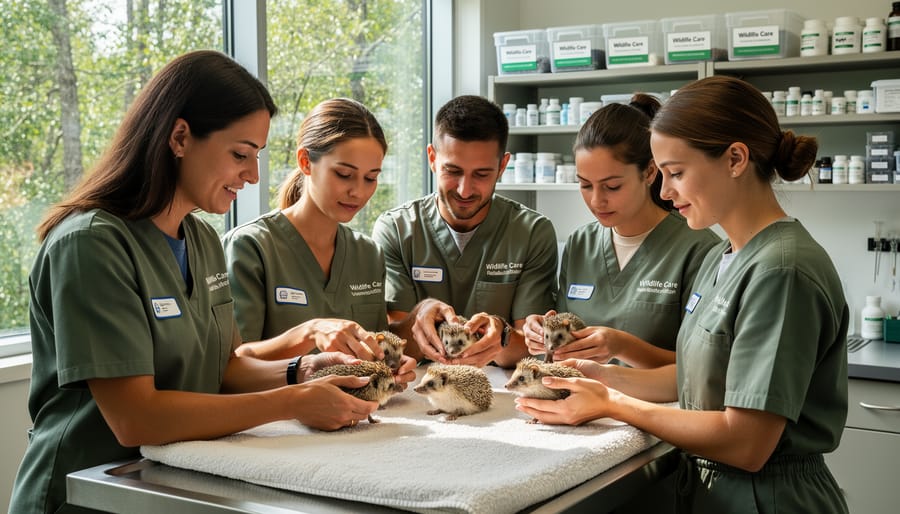
Captive breeding and reintroduction programs represent some of the most intensive and carefully managed conservation efforts for Canadian mammals. These initiatives rescue species teetering on the edge of extinction by establishing safe breeding populations in controlled environments, then strategically releasing offspring into protected habitats where they can re-establish wild populations.
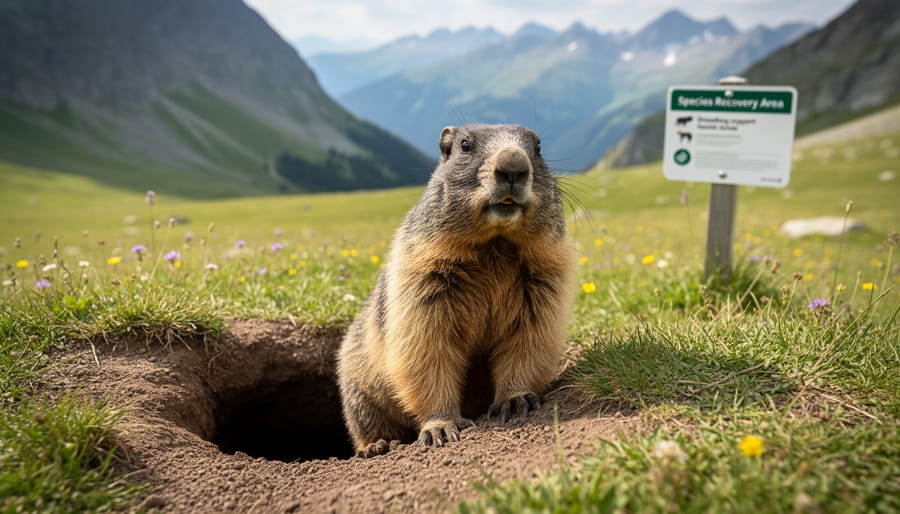
The Vancouver Island marmot program illustrates this approach. Once reduced to fewer than 30 individuals in the wild, these charismatic rodents found only on Vancouver Island faced imminent extinction. Conservation groups established breeding colonies, pairing genetically diverse individuals to maintain healthy populations. As colony numbers grew, carefully selected marmots were released into restored alpine meadow habitats, monitored continuously to track survival and reproduction. Today, wild populations have rebounded significantly, demonstrating what dedicated intervention can achieve.
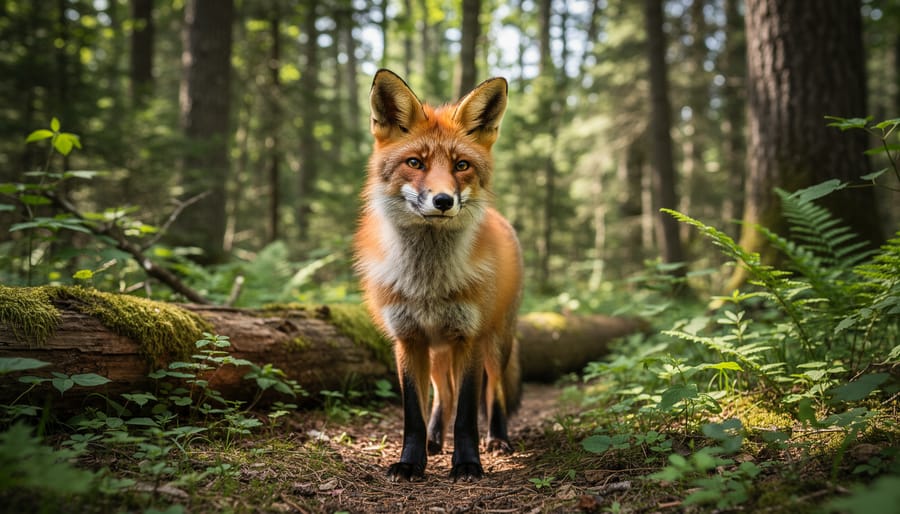
Swift fox reintroduction follows a similar blueprint. After disappearing from the Canadian prairies decades ago, this small predator returned through coordinated breeding efforts and strategic releases across grassland ecosystems. Biologists selected release sites based on prey availability, predator pressure, and habitat quality, then tracked foxes using radio collars to understand their movements and survival. Multiple release cohorts over several years established breeding populations that now sustain themselves without human intervention.
These programs demand patience and precision. Breeding pairs must be genetically matched, offspring raised with minimal human contact to preserve wild behaviors, and release sites prepared with adequate food sources and shelter. Success isn’t measured in months but years, as reintroduced populations gradually establish territories, reproduce, and expand their range. The payoff is tangible: species once functionally extinct now reclaiming their ecological roles across Canadian landscapes.
Habitat Conservation and Species Translocation
While many preservation efforts focus on breeding programs, habitat-based conservation tackles the equally critical challenge of maintaining and restoring the environments mammals need to survive. Wildlife Preservation Canada’s microbat conservation work exemplifies this approach, focusing on creating and protecting roosting sites for these tiny aerial insectivores. Bats face significant threats from habitat loss and white-nose syndrome, making targeted habitat protection essential for their survival. The organization works to identify critical roosting locations, enhance existing sites, and create new habitat that supports bat populations throughout their life cycles.
Strategic species translocations represent another vital habitat-based tool. Wildlife Preservation Canada’s Ord’s kangaroo rat translocation program moves these specialized rodents to restored habitats where they can establish new populations. This approach addresses a fundamental conservation challenge: even when suitable mammal habitat exists, isolated populations may lack the genetic diversity or numbers to thrive without intervention. By carefully relocating individuals to enhanced habitats, conservationists can jumpstart recovery in areas where species have been lost.
Active habitat conservation programs currently support several Canadian mammals:
- Vancouver Island marmots through breeding and habitat restoration partnerships
- Swift foxes via reintroduction to native prairie ecosystems
- Microbat species through roosting site protection and enhancement
- Ord’s kangaroo rats through translocation to restored habitats
These initiatives demonstrate how habitat work and strategic relocations work in tandem, with groups like Wildlife Habitat Canada supporting conservation projects that have enhanced 1.43 million acres across the country, creating the foundation mammals need to recover and flourish.
Success Stories Worth Celebrating
The dedication of animal preservation groups has yielded remarkable victories across Canada’s mammal conservation landscape. Wildlife Preservation Canada’s Vancouver Island marmot program stands as a testament to what’s achievable through sustained effort, this species, once critically endangered with fewer than 30 individuals remaining in the wild, has rebounded significantly through captive breeding and careful reintroduction. Their swift fox program has similarly transformed the prairie ecosystem, returning a species that had vanished from Canada entirely back to its native grasslands.
Wildlife Habitat Canada’s track record demonstrates the power of habitat-focused work, with 1.43 million acres of wildlife habitat enhanced and conserved through supporting 1,600 projects nationwide. These victories prove that strategic conservation action works, mammal populations can recover when preservation groups combine scientific expertise with practical, boots-on-the-ground care. Each success builds momentum for ongoing efforts.
How These Groups Are Funded and Supported
Mammal preservation in Canada operates on a diverse financial model that combines public investment, private donations, and strategic fundraising. Understanding this framework reveals how conservation groups sustain their vital work protecting species at risk.
Government funding forms a substantial pillar of support. The 2025-2026 funding cycle demonstrates this commitment, channeling $5.2 million toward 31 conservation projects across Canada. This public investment enables large-scale initiatives that individual organizations couldn’t tackle alone, from habitat restoration to species monitoring programs.
Yet government grants rarely cover the full scope of conservation work. Most preservation groups supplement public funds with private donations from individuals, corporations, and foundations. These contributions provide the flexibility to respond quickly when a species faces sudden threats or an unexpected opportunity arises for habitat acquisition.
Many organizations also earn revenue through conservation programs themselves. Breeding initiatives, for instance, may generate support from zoos and wildlife facilities participating in species recovery efforts. Educational programs and eco-tourism partnerships create additional income streams while spreading conservation messages to broader audiences.
The financial reality is straightforward: no single funding source keeps the lights on. Wildlife Habitat Canada’s ability to support 1,600 projects and conserve 1.43 million acres of habitat reflects decades of building diverse revenue channels. Successful groups cultivate relationships with multiple funders, maintain transparent financial practices that build donor trust, and demonstrate measurable conservation outcomes.
This multi-source approach provides stability. When one funding stream falters, others help bridge gaps. It’s an intentionally resilient model designed to ensure that critical conservation work continues regardless of economic shifts or changing government priorities.
How You Can Join the Conservation Effort
Getting involved with mammal conservation doesn’t require a biology degree or years of experience. Conservation organizations across Canada welcome support in many forms, and your contribution, whether it’s time, money, or advocacy, makes a tangible difference in protecting species at risk.
Volunteering offers the most hands-on experience. Groups like Wildlife Preservation Canada run field programs where volunteers assist with everything from habitat monitoring to population surveys. You might help track swift fox populations across prairie landscapes or contribute to microbat conservation efforts. One volunteer who worked on Vancouver Island marmot projects described spending weekends clearing invasive plants from colony sites, physically demanding work that directly improved habitat quality for one of Canada’s most endangered mammals.
If you can’t commit regular time, consider financial support. Donations fund the breeding programs, reintroduction initiatives, and habitat work that keep species alive. Wildlife Habitat Canada has supported 1,600 conservation projects nationwide, demonstrating how sustained funding translates into real-world impact. Even modest monthly contributions add up when pooled with others who care about Canadian wildlife.
You can also protect wildlife habitat through citizen science. Many organizations need observers to report mammal sightings, track species movements, or document habitat changes. These observations help researchers understand population trends and identify areas needing intervention.
Advocacy matters too. Contact your representatives about conservation funding, share success stories on social media, or introduce friends to preservation work. The Government of Canada’s $5.2 million investment in 31 conservation projects for 2025-2026 happened partly because citizens voiced support for wildlife protection.
Choose an organization whose work resonates with you, reach out, and ask how you can help. Canada’s mammals need people willing to act.
Common Questions About Mammal Preservation in Canada
The work of mammal preservation in Canada often raises questions for those looking to understand conservation efforts or get involved. Here are answers to some of the most common questions about protecting Canada’s mammal species.
Which Canadian mammal species are most at risk?
Species requiring urgent conservation attention include the Vancouver Island marmot, swift fox, various microbat species, and Ord’s kangaroo rat. Wildlife Preservation Canada actively works with these mammals through breeding programs, reintroduction efforts, and habitat conservation initiatives.
How can I tell if a conservation organization is credible?
Look for groups with long track records of hands-on conservation work, transparent reporting on their projects, and measurable conservation outcomes. Organizations like Wildlife Preservation Canada and Wildlife Habitat Canada demonstrate credibility through decades of documented species recovery efforts and verifiable habitat conservation achievements.
What makes Canadian mammal habitat unique?
Canada’s vast geography encompasses diverse ecosystems from coastal rainforests to Arctic tundra, each supporting specialized mammal populations adapted to extreme conditions. This habitat diversity means conservation groups must employ varied strategies tailored to specific regional challenges and species needs.
How does climate change affect mammal preservation efforts?
Shifting temperatures and changing precipitation patterns alter habitat ranges and food availability, forcing conservation groups to adapt their strategies. Preservation work now includes helping species relocate to suitable habitats and enhancing ecosystem resilience to support mammals facing environmental pressures they haven’t encountered before.
Understanding the scope of conservation challenges helps contextualize why preservation groups focus their resources where they do. With nearly 200 mammal species calling Canada home, prioritization becomes essential. Groups concentrate on species facing immediate extinction risk while also maintaining broader habitat conservation that benefits entire ecosystems.
The question of effective action matters too. Conservation success depends on sustained, coordinated effort rather than short-term interventions. That’s why established groups maintain multi-year programs, like the ongoing Vancouver Island marmot breeding initiatives, rather than cycling through disconnected projects. Long-term commitment allows conservationists to monitor populations, adjust strategies based on results, and achieve genuine species recovery rather than temporary population boosts.
Canada’s mammal heritage faces real threats, but it also benefits from something equally real: dedicated people willing to fight for its survival. Animal preservation groups have demonstrated what’s possible when expertise meets commitment. Vancouver Island marmots pulled back from the brink, swift foxes running across prairie grasslands again, 1.43 million acres of habitat protected and enhanced, these aren’t abstract victories. They’re proof that conservation works when we invest in it.
The challenge hasn’t disappeared. Nearly 200 mammal species depend on Canadian landscapes that continue to change, and the species most at risk need sustained, focused care. That’s why organizations like Wildlife Preservation Canada and Wildlife Habitat Canada remain essential, and why the $5.2 million federal investment supporting 31 projects in 2025-2026 matters so much.
You don’t have to be a biologist to contribute. Whether you volunteer, donate, or simply learn which groups are doing credible work, you become part of a conservation story that’s still being written. Connect with a preservation organization. Ask how you can help. Canada’s mammals need more than admiration, they need advocates.