
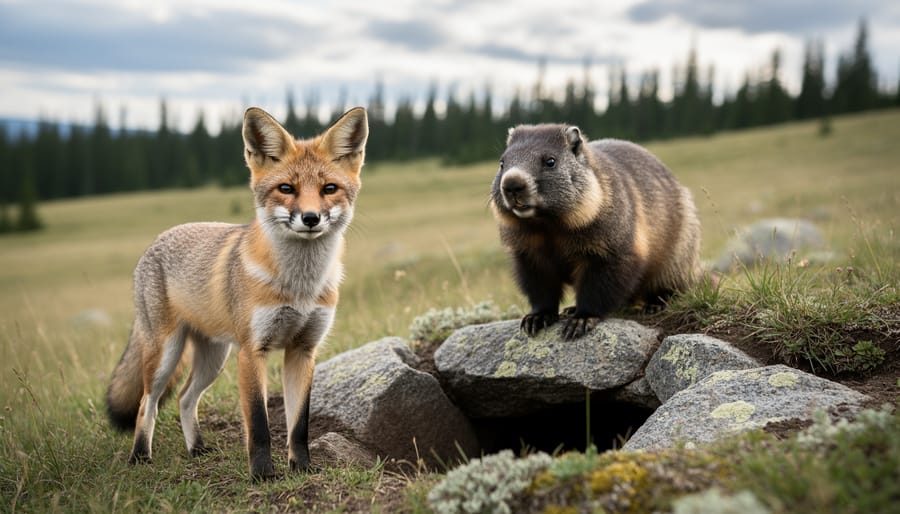

Wildlife Preservation Canada has spent more than four decades rescuing Canada’s most critically endangered species from the brink of extinction, pioneering hands-on recovery programs that have brought back populations once numbered in the dozens. From the windswept grasslands of Alberta to the Carolinian forests of southern Ontario, this national charity tackles the toughest conservation challenges by breeding threatened animals in captivity, restoring degraded habitats, and reintroducing species where they’ve vanished entirely.
The organization doesn’t just study endangered wildlife. It saves them. When government agencies identify a species in crisis, Wildlife Preservation Canada steps in with intensive intervention strategies that have proven remarkably effective. Their work extends beyond charismatic mammals to include amphibians, birds, and even Canada’s endangered pollinator species, but their mammal recovery programs demonstrate conservation science at its most urgent and impactful.
The numbers tell a compelling story. Several Canadian mammal species that once faced certain extinction now have growing populations thanks to breeding programs, habitat protection, and careful reintroduction efforts. Swift foxes, extirpated from the Canadian prairies by the 1930s, now number in the thousands. Vancouver Island marmots, down to fewer than 30 individuals in 2003, have been pulled back through one of the most intensive recovery programs ever attempted for a Canadian mammal.
This work happens because dedicated biologists, veterinarians, and volunteers commit to the painstaking process of saving species one individual at a time. Whether you’re considering supporting conservation efforts, looking to volunteer, or simply want to understand how Canada protects its most vulnerable wildlife, Wildlife Preservation Canada’s approach offers both hope and a proven roadmap for species recovery.
The Mission Behind Wildlife Preservation Canada
Wildlife Preservation Canada emerged in 1985 with a bold mission: save Canada’s most imperilled species before they vanish forever. Unlike broader conservation organizations that spread resources across multiple initiatives, this charity zeroes in on animals teetering on extinction’s edge, the ones other groups can’t prioritize because they lack funding, public appeal, or immediate political support.
The organization’s founding came at a critical moment when several native Canadian species faced imminent disappearance. Early conservationists recognized that traditional wildlife management wasn’t equipped to handle species requiring intensive, specialized intervention. They needed an organization willing to commit years, sometimes decades, to single-species recovery efforts that demanded unwavering focus and scientific rigor.
What sets Wildlife Preservation Canada apart is its evidence-based methodology. Every conservation action begins with thorough research: population genetics, habitat requirements, threat assessments, and ecological relationships. Teams don’t just react to crises, they develop comprehensive recovery strategies built on solid science and measurable outcomes. This approach means projects proceed only when data supports success, not hope alone.
The organization deliberately tackles species most at risk of permanent loss. While charismatic megafauna often dominate conservation headlines, Wildlife Preservation Canada champions creatures few Canadians have heard of: burrowing owls, Oregon spotted frogs, and yes, several critically endangered mammals. Their philosophy holds that every species plays an irreplaceable role in ecosystem health, regardless of size or public recognition.
Partnerships form the backbone of their work. Wildlife Preservation Canada collaborates with Indigenous communities who hold generations of ecological knowledge, government agencies that manage protected lands, zoos contributing breeding expertise, and private landowners who steward crucial habitat. This network approach multiplies impact far beyond what any single entity could achieve.
The results speak for themselves. Through captive breeding, reintroduction programs, and habitat restoration, the organization has pulled multiple species back from extinction’s brink. Their commitment remains absolute: no species should disappear on our watch when human intervention can change the outcome.
Canada’s Most Endangered Mammals: The Species at Risk

Canada is home to some of North America’s most iconic mammals, yet many teeter on the edge of extinction. The COSEWIC status categories paint a sobering picture: several mammal species now rank as Endangered or Threatened, with populations declining so rapidly that without intervention, they could vanish within our lifetime.
| Species | Conservation Status | Primary Threats | Population Estimate |
|---|---|---|---|
| Vancouver Island Marmot | Endangered | Habitat loss, predation | ~250 individuals |
| Black-footed Ferret | Extirpated (Reintroduced) | Prairie dog decline, disease | ~40 in Saskatchewan |
| Swift Fox | Threatened | Agricultural conversion, vehicle strikes | ~650 in Canada |
| American Badger | Endangered (some populations) | Fragmentation, road mortality | ~400 (Eastern population) |
The Vancouver Island marmot holds the unfortunate distinction of being one of the world’s rarest mammals. Found only in the alpine meadows of Vancouver Island, these charismatic rodents nearly disappeared entirely by 2003, when their population crashed to fewer than 30 individuals. Clear-cut logging fragmented their mountain habitat, while increased predator access in disturbed areas compounded their decline. Their role as ecosystem engineers, creating burrows that shelter other species, makes their recovery crucial for alpine biodiversity.
Black-footed ferrets represent conservation’s ultimate challenge. Once declared extinct in Canada, this prairie specialist depends entirely on prairie dog colonies for both food and shelter. When poisoning campaigns decimated prairie dog populations across the Great Plains, ferrets followed suit. Today’s reintroduced population in Saskatchewan’s Grasslands National Park requires constant monitoring, with each ferret’s survival hinging on sufficient prey and protection from sylvatic plague, a disease that can wipe out entire prairie dog towns overnight.
Swift foxes tell a different story. Completely eradicated from Canada by the 1930s due to agricultural expansion and predator control programs, they’ve staged a remarkable comeback through dedicated reintroduction efforts starting in the 1980s. However, they remain vulnerable to vehicle collisions on prairie roads and accidental poisoning from pest control operations. These small canids play a vital role in controlling rodent populations and serve as prey for larger predators, maintaining the delicate balance of grassland ecosystems.
Each species faces unique pressures, but common threads emerge: habitat destruction, human-wildlife conflict, and climate disruption threaten them all. Understanding these specific vulnerabilities allows conservationists to craft targeted recovery strategies rather than one-size-fits-all approaches.
Conservation Action Plans That Actually Work
Breeding Programs and Species Recovery
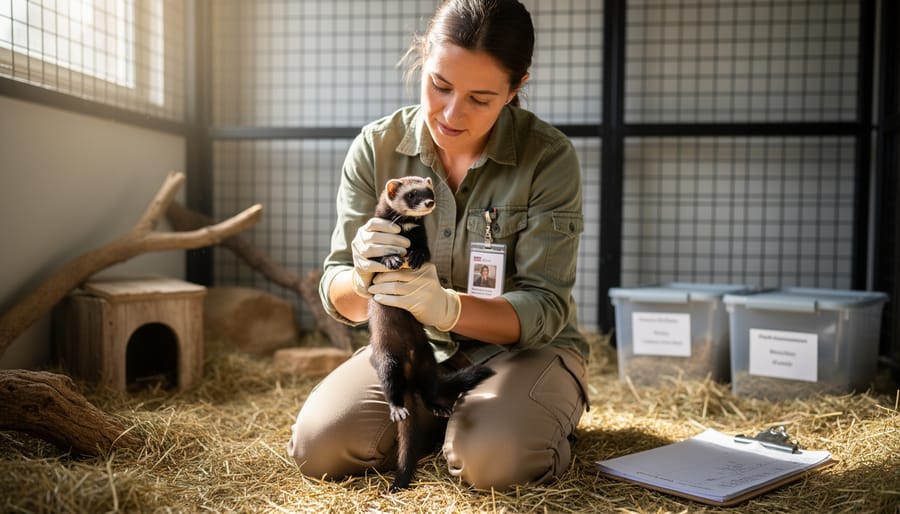
Captive breeding programs serve as a critical safety net when wild populations drop to dangerously low levels. Wildlife Preservation Canada runs these programs with scientific precision, pairing animals based on genetic profiles to maintain the healthiest possible diversity, a crucial factor since inbreeding can amplify harmful traits and weaken immunity. Each breeding season is carefully timed to match natural cycles, and veterinary teams monitor everything from hormone levels to nutrition to maximize reproductive success.
The science gets sophisticated fast. Studbooks track the ancestry of every individual animal across multiple facilities, allowing managers to make breeding decisions that preserve rare genetic variants. Recovery planning guidance emphasizes that genetic management isn’t just paperwork, it’s the difference between building a resilient population and one that crashes again after release. Some programs freeze genetic material for future use, a biological insurance policy against catastrophic loss.
Success hinges on replicating natural conditions while eliminating wild threats. Enclosures mirror native habitats, young animals practice foraging and predator avoidance, and human contact stays minimal to prevent habituation. The Vancouver Island marmot program has refined these techniques over decades, producing animals robust enough to thrive after release. When breeding programs work, they don’t just boost numbers, they create founders for recovered wild populations, transforming captivity from a last resort into a proven recovery tool.
Habitat Restoration and Protection
Without healthy habitat, even the most successful breeding programs cannot ensure long-term survival for endangered mammals. Wildlife Preservation Canada recognizes that true recovery requires protecting and restoring the ecosystems these animals depend on. Their evidence-based conservation approach involves working with landowners, Indigenous communities, and government agencies to secure critical habitat corridors and restore degraded landscapes.
For Vancouver Island marmots, this meant protecting alpine meadows from recreational development while restoring areas where clear-cut logging had eliminated suitable habitat. The swift fox program focused on preserving native grasslands in Alberta and Saskatchewan, partnering with ranchers to maintain open prairie ecosystems. Black-footed ferret reintroduction depends heavily on protecting prairie dog colonies, which provide both food and shelter for the ferrets.
These habitat initiatives go beyond simply fencing off protected areas. They involve active restoration work like removing invasive species, replanting native vegetation, and creating wildlife corridors that connect fragmented populations. By addressing habitat needs alongside breeding programs, Wildlife Preservation Canada ensures that recovered mammals have safe, sustainable places to thrive for generations.
Success Stories: Mammals Making a Comeback
The Vancouver Island marmot stands as one of Wildlife Preservation Canada’s most remarkable turnarounds. Once teetering on the edge of extinction with fewer than 30 individuals remaining in the wild by 2003, this charismatic rodent has clawed its way back through intensive conservation efforts. Today, over 200 marmots thrive in their mountain habitat on Vancouver Island, a direct result of coordinated captive breeding, predator management, and habitat restoration. The recovery program brought together zoos, wildlife parks, and conservation organizations in an unprecedented collaboration that proved critically endangered mammals could rebound when given focused attention and resources.
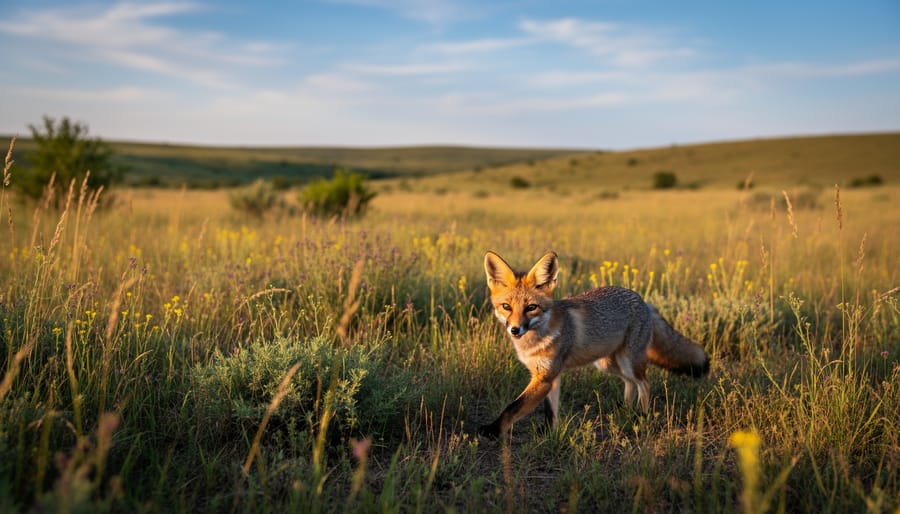
The swift fox tells an equally inspiring story. Once completely extirpated from Canada, this small prairie predator was successfully reintroduced to the grasslands of Alberta and Saskatchewan starting in the 1990s. Wildlife Preservation Canada’s reintroduction program has established a self-sustaining population of several hundred foxes, demonstrating that species can reclaim their historical ranges despite facing significant threats to Canadian wildlife. The program carefully sourced animals from American populations, monitored their survival rates, and adapted strategies based on what the data revealed about predation, denning success, and kit survival.
Key conservation achievements for these recovered species include:
- Vancouver Island marmot population increased from 29 individuals in 2003 to over 200 by 2022
- Swift fox populations established across 24,000 square kilometres of prairie habitat
- Black-footed ferret breeding program contributed to North American recovery efforts with dozens of kits produced annually
- Oregon spotted frog reintroduction sites showing breeding success and population growth in British Columbia wetlands
These victories matter because they prove recovery is possible even for species facing severe population bottlenecks. The Vancouver Island marmot program overcame challenges from habitat loss impacts predation by golden eagles and cougars, and the genetic consequences of tiny founding populations. Each released marmot was radio-collared and tracked, allowing researchers to refine release protocols and identify the most suitable reintroduction sites.
What makes these successes particularly meaningful is their ripple effect across ecosystems. Swift foxes help control rodent populations on the prairies. Marmots serve as prey for larger predators and their burrows provide shelter for other species. When we bring back one mammal from the brink, we strengthen the entire ecological web that depends on their presence.
How Human Activities Impact Canadian Mammals
Canadian mammals face an unprecedented combination of pressures, most stemming directly from human activities that have accelerated dramatically over the past century. Understanding these threats is the first step toward meaningful action.
Habitat loss remains the most significant threat to mammal survival across Canada. As forests are cleared for development, grasslands converted to cropland, and wetlands drained for agriculture, mammals lose not just their homes but their food sources, breeding grounds, and migration corridors. The swift fox, for instance, saw its grassland habitat shrink by over 70% as prairies were cultivated, pushing the species to local extinction by the 1930s.
Climate change compounds these challenges in ways that are both visible and insidious. Warming temperatures alter the timing of plant growth, disrupting the synchronized life cycles many mammals depend on. Northern species like caribou face shrinking tundra habitats, while warmer winters allow parasites and diseases to survive year-round in regions where they were once kept in check by harsh cold. The Vancouver Island marmot’s alpine meadow habitat is being overtaken by encroaching forests as snow patterns shift.
Urbanization fragments landscapes into isolated patches, preventing mammals from accessing the large territories many need to thrive. Roads bisect habitats, creating deadly barriers that separate populations and reduce genetic diversity. Agricultural expansion introduces pesticides and rodenticides that accumulate in the food chain, affecting predators like black-footed ferrets that depend on prairie ecosystems.
Yet these threats are not insurmountable. Protected areas, wildlife corridors, sustainable farming practices, and restoration projects demonstrate that humans can reverse much of the damage we’ve caused. Every conservation success story, from marmot recovery to swift fox reintroduction, proves that when we commit resources and political will to protecting wildlife, Canadian mammals can recover and flourish once again.
Join the Movement: Volunteering and Supporting Conservation
Protecting Canada’s rarest mammals requires more than scientific expertise, it demands community involvement at every level. Wildlife Preservation Canada offers multiple pathways for people to contribute, whether through hands-on fieldwork or financial support.
Volunteer opportunities range from seasonal field positions assisting with species monitoring to skilled roles in communications, fundraising, and program management. Field volunteers might help with habitat surveys, participate in wildlife monitoring projects, or assist with captive breeding facilities. These experiences provide invaluable learning while directly contributing to recovery efforts. No prior wildlife experience is necessary for many positions, though commitment and enthusiasm are essential.
The summer I spent monitoring swift fox dens changed my perspective entirely. Seeing pups emerge for the first time, knowing our daily observations contributed to their survival, made conservation feel real and urgent in a way reading about it never could.
Beyond volunteering, Wildlife Preservation Canada welcomes donations that fund critical breeding programs, habitat restoration, and scientific research. Even modest contributions support essential work, from purchasing radio telemetry equipment to building secure breeding enclosures.
Employment opportunities occasionally open for conservation biologists, animal care specialists, and education coordinators. These full-time positions allow professionals to build careers around species recovery while working alongside leading conservation experts.
Daily actions matter too. Protecting natural spaces near your home, reducing pesticide use, and advocating for wildlife-friendly policies all support conservation on a broader scale. Staying informed through Wildlife Preservation Canada’s newsletters and social media keeps you connected to ongoing recovery projects and emerging needs. Sharing success stories within your community builds awareness and inspires others to participate in protecting Canada’s irreplaceable mammal species before they disappear forever.
The recovery of Canada’s rarest mammals proves that extinction isn’t inevitable. When conservation organizations, government agencies, Indigenous communities, and passionate individuals work together with clear strategies and sustained commitment, we can reverse decades of decline. The Vancouver Island marmot bouncing back from fewer than 30 individuals, swift foxes reclaiming prairie landscapes they’d vanished from, and black-footed ferrets returning to Canadian grasslands demonstrate that even species on the brink can thrive again.
Wildlife Preservation Canada’s evidence-based approach shows us the path forward. Their success comes from patient, science-driven work, respectful partnerships, and refusing to write off any species as a lost cause. But these victories require ongoing support. Conservation doesn’t end when population numbers stabilize. It demands continuous monitoring, habitat protection, and adaptation to new challenges like climate change.
You have a role in this story. Whether you contribute financially, volunteer your time, advocate for wildlife-friendly policies, or simply choose to learn more about the species sharing our landscapes, your actions matter. Every donation funds critical breeding programs. Every volunteer hour supports field research. Every conversation about conservation spreads awareness that builds political will for protection measures.
Canada’s wildlife heritage belongs to all of us, and its future depends on collective action. The question isn’t whether we can save endangered mammals. We’ve proven we can. The question is whether we will choose to do so, consistently and courageously, for generations to come.